

How do I stop light pollution affecting neighbouring properties?
Light pollution affecting neighbouring properties can be reduced by using light spill shields, downward-facing luminaires, and dark sky-compliant lighting fixtures.
Proper fixture positioning is essential to ensure light is directed only where it is needed, such as roads, pathways, and public spaces, rather than into residential windows or gardens.
Anti-glare accessories and shielding systems help minimise unwanted light escape while maintaining safe illumination levels. Many councils and property owners use light control solutions to comply with environmental standards, reduce complaints, and improve nighttime comfort for nearby residents in residential and mixed-use developments.
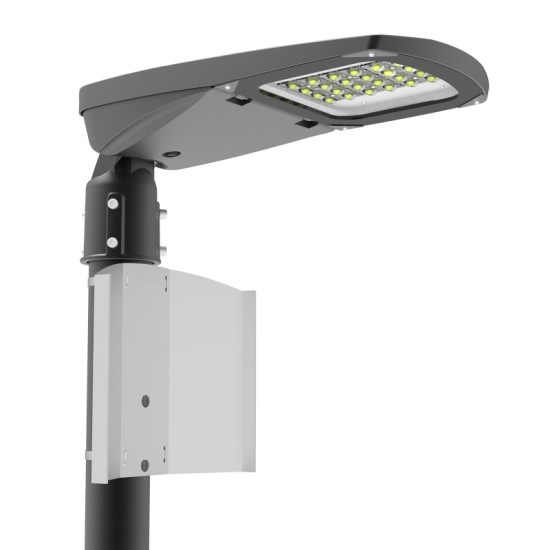
How can I prevent LED street lights from shining into bedroom windows?
LED street lights shining into bedroom windows can be reduced by installing directional glare shields, anti-spill accessories, and adjusting the angle of the lighting fixture.
Proper beam control helps redirect light downward onto roads and pavements instead of nearby homes. In many cases, full cut-off luminaires or retrofitted shields are used to limit light trespass.
This approach improves sleep quality and reduces disturbance for residents living near street lighting. Many local authorities implement lighting adjustments and shielding solutions to address complaints while maintaining safe and effective illumination for public streets and residential areas.
Do anti-glare shields comply with dark sky requirements?
Yes, many anti-glare shields are designed to support dark sky-compliant lighting systems by reducing upward light spill and sky glow.
These systems help ensure that light is directed downward where it is needed, rather than dispersing into the night sky. Dark sky-compliant lighting typically uses full cut-off fixtures combined with shielding accessories to minimise environmental light pollution.
Anti-glare shields play an important role in achieving these standards, especially in residential and rural areas. When correctly installed, they help balance safety, visibility, and environmental protection while reducing the impact of artificial lighting on surrounding ecosystems and communities.