
How do I direct light downward and away from houses?
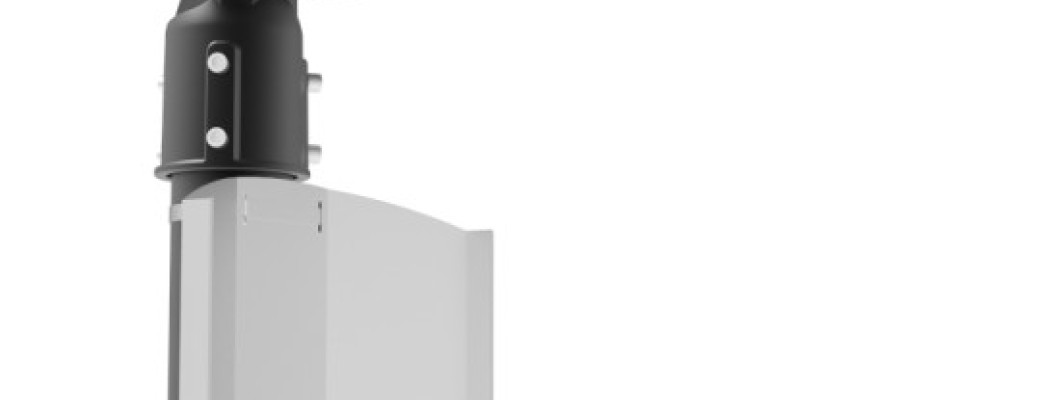
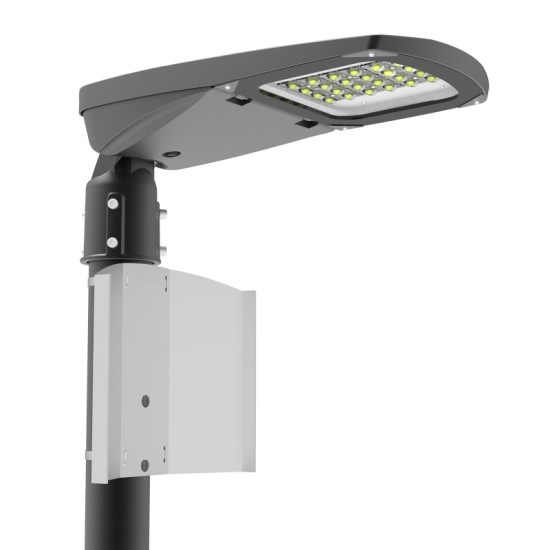
Light can be directed downward and away from houses by using full cut-off fixtures, directional LED optics, and street light spill shields.
These solutions control how light is distributed, ensuring illumination is focused on roads, pavements, and public areas rather than nearby homes. Proper fixture positioning and correct mounting height also play a key role in reducing unwanted light spill.
In modern outdoor lighting design, directional control is essential for improving visibility while minimising disturbance to residents. This approach is widely used in residential streets, car parks, and mixed-use developments to create safer and more comfortable lighting environments.
Can adjustable street lights reduce light spill?
Yes, adjustable street lights can help reduce light spill by allowing the fixture angle to be changed to better control the direction of illumination.
By carefully positioning the light, operators can ensure that more light is directed onto roads and pathways rather than into nearby homes or gardens. This is especially useful in residential areas where lighting needs to be balanced with privacy and comfort.
Adjustments can also improve visibility in specific areas such as junctions or crossings. When combined with directional optics or spill shields, adjustable fixtures provide an effective solution for managing outdoor lighting distribution.
Do directional shields help with neighbour complaints?
Yes, directional shields can significantly reduce neighbour complaints by minimising light trespass into nearby properties.
These light spill shields for street lights help control where light is distributed, ensuring it is focused on intended areas like roads, pavements, and public spaces rather than private homes. By reducing unwanted brightness entering windows and gardens, they improve comfort for residents living near street lighting installations.
This can lead to fewer complaints and better community satisfaction. Directional lighting solutions are commonly used by councils and property managers as part of responsible outdoor lighting design to balance safety, visibility, and residential comfort.

Leave a Comment