
Do light shields reduce glare?
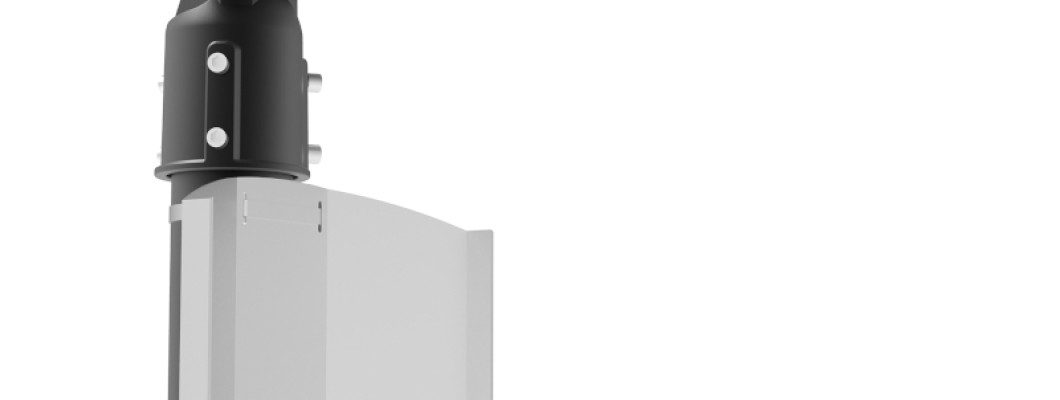
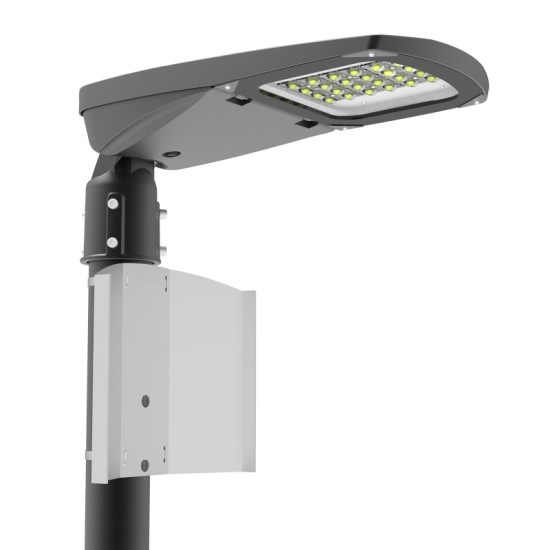
Yes, light shields are specifically designed to reduce glare by controlling the direction, spread, and intensity of artificial light.
They work by blocking or redirecting excess light that would otherwise shine directly into the eyes of drivers, pedestrians, or nearby residents. This improves visual comfort while still maintaining effective illumination for roads, pathways, and public spaces.
Street light glare shields are commonly used in residential streets, commercial car parks, and pedestrian zones where high-intensity LED lighting can cause discomfort or reduced visibility. They are an important part of modern outdoor lighting design for safety and environmental control.
Can glare reduction improve safety?
Yes, reducing glare can significantly improve safety for drivers, cyclists, and pedestrians by enhancing visibility and reducing visual strain at night.
Excessive glare can temporarily reduce the ability to see obstacles, road markings, or other road users, especially in high-contrast lighting conditions. Using light spill shields for street lighting becomes more evenly distributed and easier to adapt to visually.
This helps improve reaction times and overall awareness in public spaces. Many local authorities and lighting designers implement glare reduction measures to create safer road environments, particularly in busy streets, crossings, and areas with heavy pedestrian movement.
Which outdoor lights benefit most from glare shields?
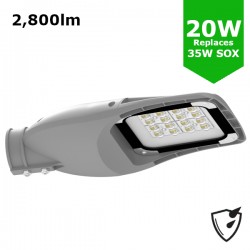
LED street lights, floodlights, and area lighting systems benefit the most from glare shields because they often produce high-intensity, directional light that can cause discomfort or visual disturbance.
These fixtures are widely used in residential roads, car parks, industrial sites, and public spaces where controlling light direction is essential. Glare shields help refine the beam pattern and reduce unwanted light spill into surrounding areas.
This improves both visibility and comfort while maintaining efficient illumination. Proper glare control is especially important in modern LED systems due to their brightness and concentrated light output compared to older lighting technologies.