

Do anti-glare shields comply with dark sky requirements?
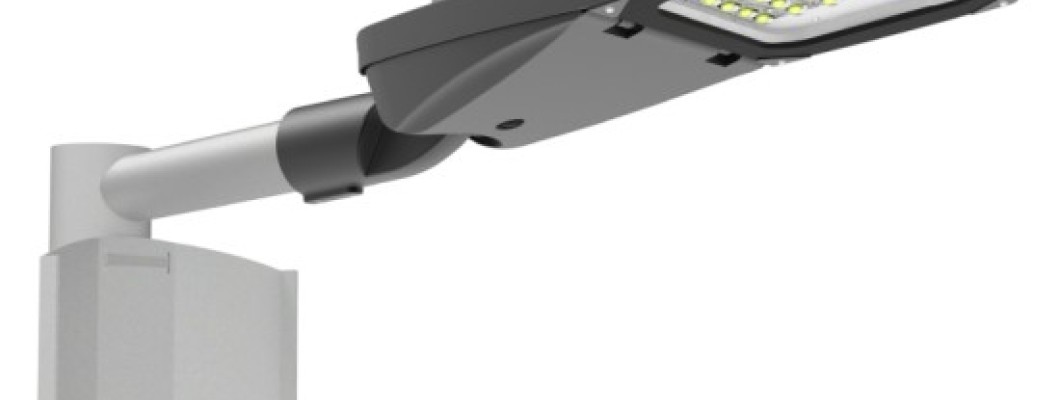
Many anti-glare shields or light spill shields for street lights are designed to support dark sky compliant lighting by reducing upward light spill, limiting glare, and improving directional control of artificial light.
When used with full cut-off fixtures, they help ensure that illumination is focused downward onto roads, pathways, and public spaces rather than dispersing into the night sky.
This makes them an important component of modern outdoor lighting design in residential, rural, and environmentally sensitive areas. By reducing unnecessary light pollution, anti-glare shields help preserve natural night skies while maintaining safe and effective visibility for pedestrians, drivers, and public infrastructure lighting systems.
What is dark sky compliant lighting?
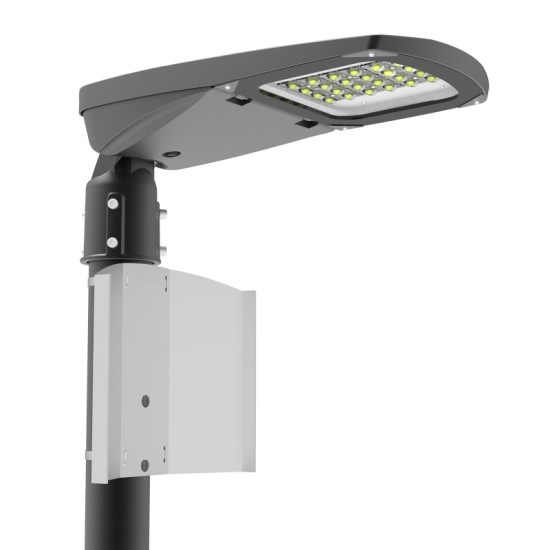
Dark sky compliant lighting refers to outdoor lighting systems designed to minimise upward light emission, glare, and sky glow.
These systems typically use full cut-off fixtures, directional optics, and shielding accessories to ensure light is directed only where it is needed. The goal is to reduce light pollution while maintaining adequate visibility for safety and security.
Dark sky principles are increasingly adopted in residential developments, countryside locations, and conservation areas. By controlling light distribution, these systems help protect wildlife, improve human comfort at night, and preserve the natural appearance of the night sky.
Can anti-glare shields reduce sky glow?
Yes, anti-glare shields can significantly reduce sky glow by limiting the amount of artificial light that escapes upward from street lights and outdoor fixtures.
Sky glow occurs when excess light is scattered into the atmosphere, brightening the night sky and reducing visibility of stars. By directing light downward and controlling beam spread, shields help improve lighting efficiency and reduce environmental impact.
When combined with full cut-off LED luminaires, they are highly effective in achieving better dark sky compliance. This makes them a valuable solution for councils and property owners aiming to reduce light pollution in both urban and rural areas.