







How do light shields help reduce energy waste?
Light spill shields help reduce energy waste by improving the direction and control of artificial light, ensuring illumination is focused only where it is needed.
In many street lighting systems, a portion of light is lost through upward or sideways spill, which does not contribute to visibility or safety. By fitting light spill shields for street lights, more of the emitted light is directed onto roads, pavements, and target areas.
This reduces wasted output and improves overall lighting efficiency. In some cases, better light control can also reduce the need for additional luminaires, supporting more efficient outdoor lighting design.
How does better light direction improve efficiency?
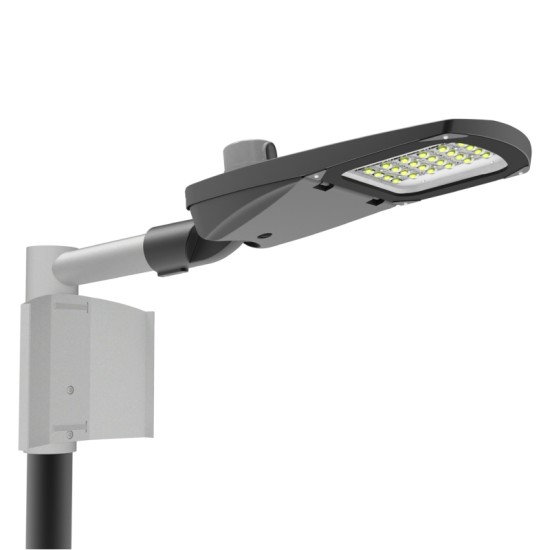
Better light direction improves efficiency by maximising the usable output from each lighting fixture. When LED street lights are correctly shielded and aimed, less energy is wasted illuminating areas that do not require lighting, such as building facades, trees, or the night sky.
Light spill shields for street lights help focus the beam pattern, allowing the same level of visibility to be achieved with more controlled output. This means lighting systems can operate more effectively without increasing wattage or fixture numbers. As a result, councils and property managers can maintain safe environments while optimising energy usage across street lighting networks.
What are the smart lighting design benefits of light shields?
Light shields support smart lighting design by enhancing precision, efficiency, and environmental performance in outdoor lighting systems. They allow designers to control exactly where light is distributed, reducing waste and improving visual comfort for pedestrians and residents.
In smart city applications, shields work alongside dimming controls and LED optics to create more adaptive and efficient lighting networks. This combination helps reduce energy consumption while maintaining appropriate illumination levels for safety.
Smart lighting design also benefits from reduced maintenance demands and improved compliance with environmental standards such as dark sky requirements and light pollution reduction policies.