
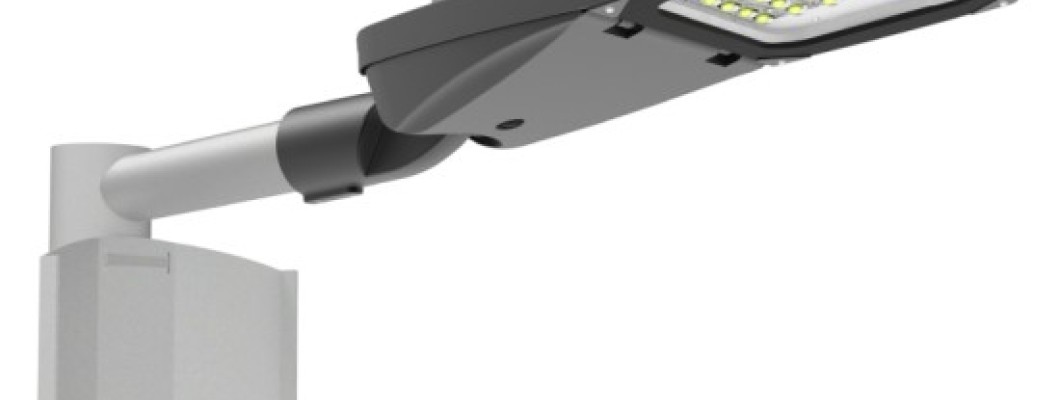
Can glare shields be retrofitted to existing street lights?
Yes, many glare shields are designed specifically for retrofit installation on existing LED street lights and area lighting systems.
This allows lighting upgrades without the need to replace the entire fixture, making it a cost-effective and practical solution for councils, commercial sites, and residential developments.
Retrofit glare shields help reduce light spill, glare, and light trespass while improving directional control of illumination. They are commonly used to enhance existing lighting infrastructure, especially in areas where complaints about brightness or light pollution have been raised.
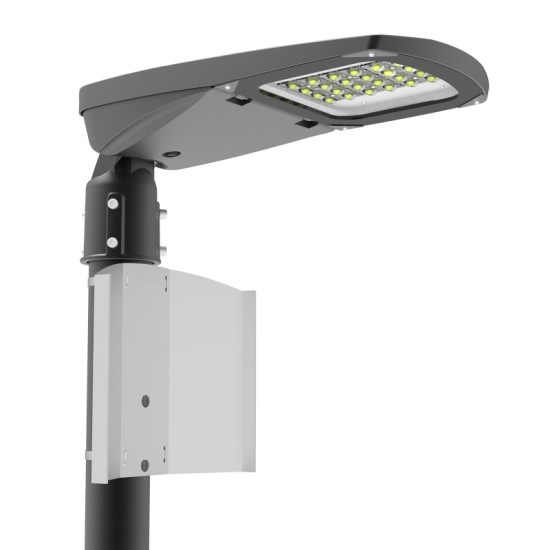
Are retrofit light shields easy to install?
Most retrofit light shields are designed for quick and straightforward installation using brackets, clamps, or fixture-specific mounting systems.
In many cases, they can be fitted without removing the entire street light, reducing installation time and disruption. The process typically involves securing the shield to the existing luminaire housing and adjusting its position to control light direction.
Installation is usually carried out by lighting maintenance teams or contractors familiar with outdoor electrical systems. Because of their modular design, retrofit shields are widely used in upgrading existing lighting networks efficiently and with minimal downtime.
Can retrofit shields improve energy efficiency?
Yes, retrofit glare shields or light spill shields for street lights can improve perceived energy efficiency by ensuring that more light is directed exactly where it is needed rather than being wasted in unwanted directions.
While they do not reduce the electrical consumption of the fixture itself, they optimise light distribution, meaning fewer fittings may be required in some cases to achieve the same lighting levels.
This can contribute to more efficient lighting design and reduced overall energy use across a site. By improving directional control, retrofit shields also enhance visual performance and reduce light pollution, supporting more sustainable outdoor lighting systems.